From species confirmation to IH-supervised clearance — the complete protocol for black mold in La Vergne properties.
Identification
🔍Species Confirmation via Lab Analysis
Dark coloring alone does not confirm Stachybotrys. Multiple mold species produce dark or black-appearing growth — Cladosporium, Aspergillus niger, Aureobasidium. Surface swab or tape lift samples sent to an accredited lab confirm the species before we apply the enhanced Stachybotrys protocol. Correct identification matters because it determines the containment tier, PPE level, and disposal approach.
Containment
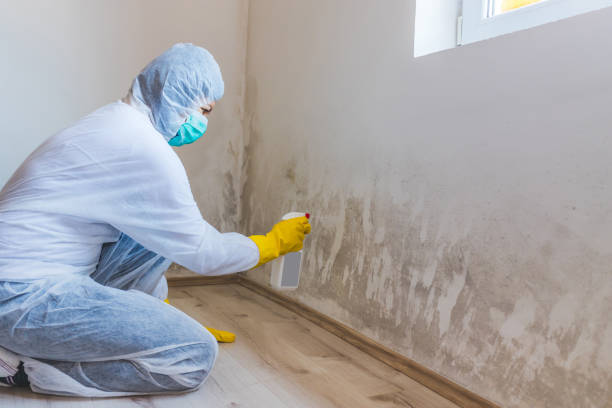
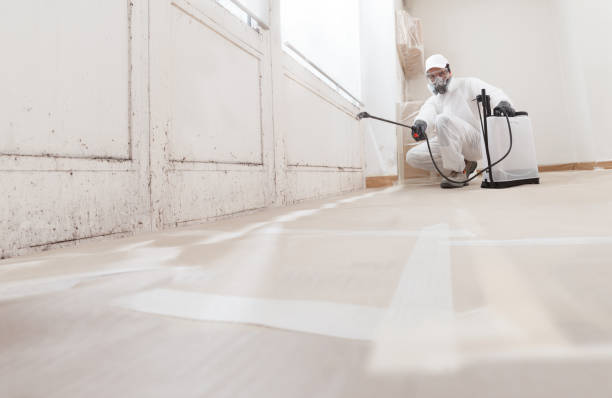
🔥Type III Containment Establishment
Double poly, HEPA negative air, smoke-pencil verified, decon mat at entry. Established and verified before the first cut into contaminated material.
Removal
🔨Complete Contaminated Material Removal
Contaminated porous material comes out completely. Double-bagged, documented disposal. No in-place treatment as a substitute for removal in confirmed Stachybotrys scenarios.
Treatment
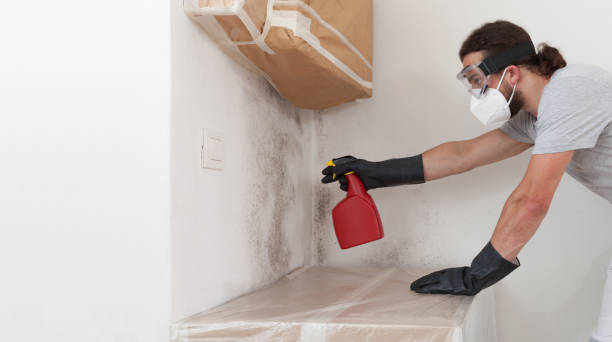
💧Structural Surface Treatment & Encapsulation
HEPA vacuum, EPA fungicide, encapsulant — all remaining structural surfaces after material removal. Chemical treatment plus physical barrier as the standard, not the upgrade.
Drying
💨Moisture Source Identification & Correction
Stachybotrys presence is evidence of a chronic moisture source. We identify it, document it, and provide the specific correction required. Removal without source correction is temporary.
Clearance
✅IH-Supervised Post-Removal Clearance
Independent IH, not the remediation contractor, collects and interprets post-clearance samples. Written IH clearance report confirms the Stachybotrys removal achieved its objective.